How Do Female Boarding Schools Help Students Become Independent?
Independence for girls happens naturally, like being on time, working, solving everyday problems and knowing when to ask for help. This is a trait that can be cultivated with the right guidance and environment, and this is where female boarding schools can really make a difference.
Boarding schools for girls offer many benefits, and part of this is the residential life, which provides regular opportunities for girls to take responsibility, with trusted adults available for guidance.
In this blog, let’s understand how we do it at our school.
Independence at School: What it Means
An independent pupil does not need to handle everything alone. She can recognise a problem, consider her options and take sensible action instead of expecting someone else to solve it.
That distinction matters when parents ask why choose a boarding school. Independence comes from having age-appropriate opportunities to make decisions, experience consequences and become more confident in personal judgement.
For families considering the best boarding school for girls in India, the quality of this balance between freedom and support deserves close attention.
How Do Daily Routines Build Self-Management?
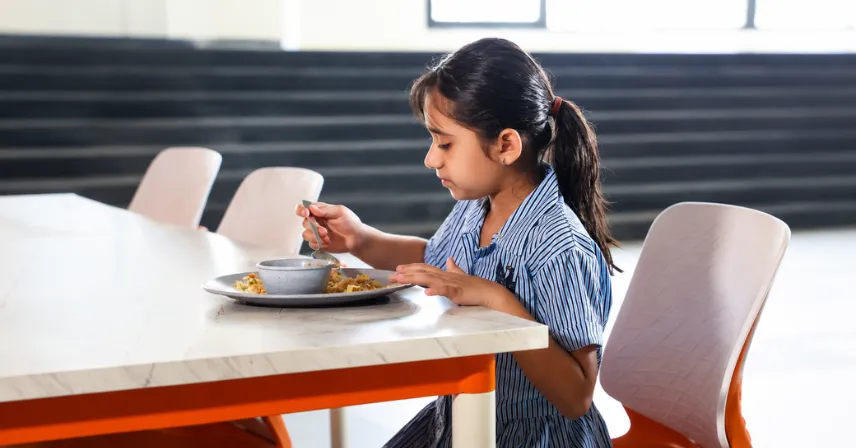
Much of the student life in boarding schools is based upon a clear rhythm of lessons, meals, study, activities and personal responsibilities.
The timetable gives a structure, but pupils still have to use it well. Female boarding schools have the practical benefit of the pupils gradually taking on the responsibility for things that parents may have done for them before.
Over time, boarding school life can help pupils learn to:
- be ready without being told over and over;
- keep track of their stuff and deadlines;
- balance study, leisure and other activities;
- see the impact of poor planning on other commitments.
None of these tasks seems particularly huge individually. But they do help girls get more organised and accountable for their own day.
How Does Academic Responsibility Grow?
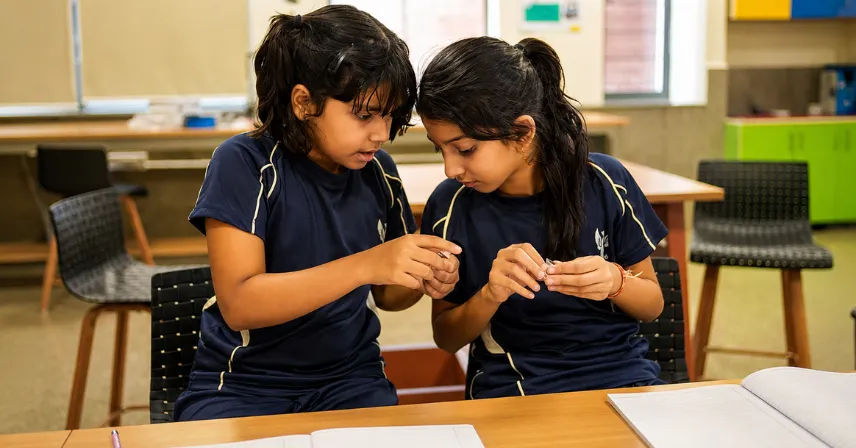
Academic independence starts when students no longer wait to be told what to do next. They learn to spot weaker areas, plan changes, and review mistakes instead of simply moving on from them.
That’s the purpose of independent learning with more ownership of progress. The benefits of boarding schools with independent learning are most apparent when a pupil sets personal goals or changes an approach that isn’t working. Good independent learning still has teacher guidance in it, but the pupils learn to use the guidance with more purposefulness.
Another benefit of independent learning is greater confidence with unfamiliar problems. Over time, independent learning becomes less about studying alone and more about thinking, questioning and deciding what to do next.
Why Do Small Decisions Matter?
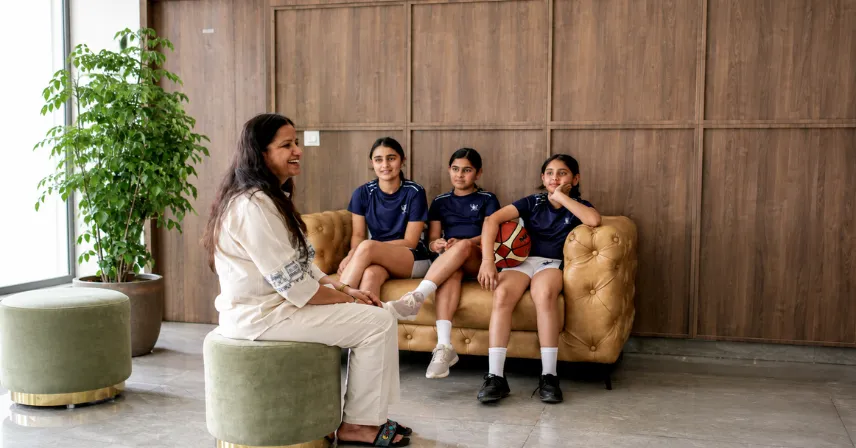
Boarders make everyday choices about study time, friendships, commitments and what to do when plans go wrong.
This is one answer to why choose a boarding school. In a well-run residential environment, young people have manageable choices, and adults are there when real guidance is needed.
The benefits of boarding schools are most valuable when students can learn from reasonable consequences. For example, an adult should not always have to save the day if work is left too late.
A small mistake handled thoughtfully can become a useful lesson in judgement and accountability.
How Can Leadership Change a Girl’s Confidence?
Being responsible for a team or shared outcome can change a girl’s perception of herself. Pupils develop leadership skills when they organise, listen, communicate and accept responsibility for results.
Opportunities can arise in female boarding schools through house roles, councils, sports teams, mentoring or community projects. Girls also regularly see other girls in visible leadership positions throughout school life.
Strong leadership skills involve empathy and judgement, not simply giving instructions. Pupils learn that taking charge may also mean listening carefully, changing a decision or asking for advice.
That practical experience helps leadership skills become part of character rather than simply a title a pupil holds.
What Do Activities Beyond Lessons Add?

Independence is another factor that develops when pupils explore outside of the syllabus subjects. Girls will have the opportunity through extracurriculars to make a choice, stick with it and learn what results sustained effort yields.
Sports can help teach them how to rebound from a bad performance. Theatre, music, or other art clubs can call for confidence or perseverance.
This matters in student life in boarding schools because development continues after lessons end. Through extracurricular activities, pupils may discover strengths they had never explored before.
The value of extracurricular activities is therefore not limited to winning, performing or collecting achievements. Trying something unfamiliar can itself help a girl become more confident in taking the first step.
Why Can an All-Girls Environment Make a Difference?
A girls-only environment can create space for pupils to fill every sort of role: scholar, athlete, performer, team captain, speaker, organiser and problem-solver.
Girls in the best female boarding schools see leadership, ambition and initiative modelled by fellow pupils throughout their everyday school life.
That visibility matters because experience is often a builder of confidence. The more opportunities a pupil has to contribute, the more likely she is to believe that she can.
How Do Relationships Build Emotional Independence?

Sharing with friends teaches girls to share space, respect boundaries, and work out everyday disagreements. For residential communities, this means more chances to work through everyday social situations without parents having to negotiate every little thing.
Relationships are thus an important part of student life in boarding schools. Pupils learn when it is appropriate to talk directly to a friend, when to seek advice and when a situation requires adult intervention.
Good pastoral care matters just as much. Female boarding schools should never treat emotional independence as an expectation to hide homesickness, anxiety or distress.
Instead, boarding life should help girls explain how they feel, identify the support they need and participate in finding a way forward.
How Does Bedford School Mohali Encourage Academic Independence?
We want our girls to have control over their education. Our Cambridge approach encourages analysis, questioning, problem-solving and straightforward discourse, not rote learning and recall.
We view independent learning as a habit that develops through practice. We encourage our pupils to explore ideas, to explain their thinking and to work through problems that are new to them.
Independent learning is part of everyday academic life, and our teachers will guide pupils while giving them more responsibility for recognising where they can improve.
How Do We Create Opportunities to Take Initiative?
At Bedford School Mohali, we associate responsibility with character, contribution and confidence. Our girls can get involved in team activities, community experiences and roles where they have to organise, communicate and make decisions.
These experiences strengthen leadership skills because pupils learn through participation rather than simply being told what leadership means.
We also recognise that leadership skills can develop in quieter ways. Supporting a younger pupil, contributing an idea or helping a group solve a problem can be just as valuable as holding a formal position.
Independence That Prepares Girls for What Comes Next
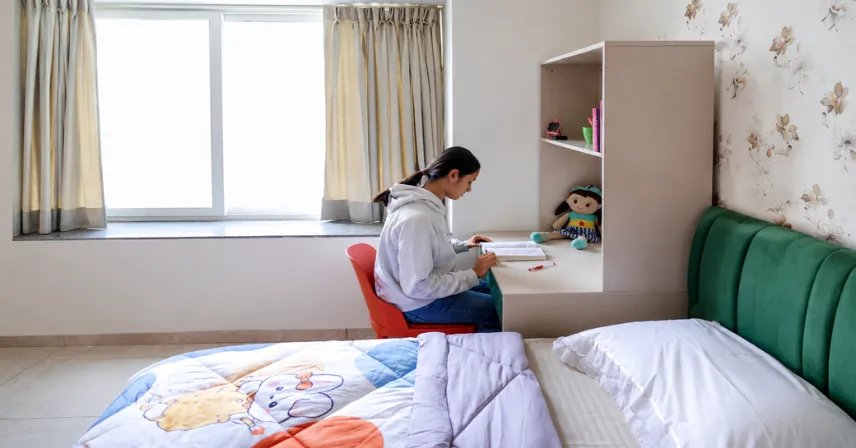
Practice builds independence: time management, choices, learning from mistakes and taking progressive ownership of everyday life.
This is the journey we want to forge at Bedford School Mohali, in an encouraging all-girls setting. We offer parents seeking the best boarding school for girls in India an environment that encourages girls to use guidance wisely and emerge as thoughtful, confident and responsible young women.