How Do Girls Learn Through Play-Based Learning in Early Years Education?
Young learners’ early years of education lay the foundation for how they learn for years to come. Cambridge Early Years understands that pupils from 3 to 6 years learn best when they are supported to explore, question and relate meaningfully to the world around them.
This understanding guides us in our approach to early years education for girls at Bedford School Mohali. Central to the Cambridge Early Years framework is learning through play, which supports our pupils in developing confidence, independence and curiosity through carefully planned experiences.
Play is not just a break from learning. It is a meaningful way to develop communication, thinking skills, creativity, social understanding and mental health.
What Is Play-Based Learning in Cambridge Early Years?
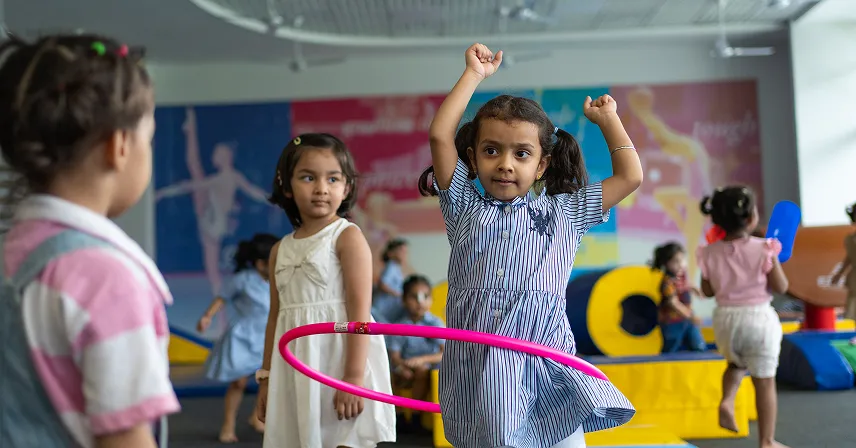
Play-based learning allows pupils to explore ideas, test possibilities and solve problems in ways that are natural to them. But that doesn’t mean they are left without direction.
Play experiences within the Cambridge Early Years approach are carefully planned to support specific areas of development and to provide pupils with opportunities to explore and take ownership of their learning.
The play-based learning ideas support six interconnected learning areas:
- Communication, language and literacy: Developing speaking, listening and early reading and writing skills.
- Creative expression: Fostering imagination in art, music, movement and drama.
- Mathematics: Developing early mathematical thinking through everyday play-based learning activities.
- Personal, social and emotional development: Self-confidence, friendships, self-awareness and emotional regulation.
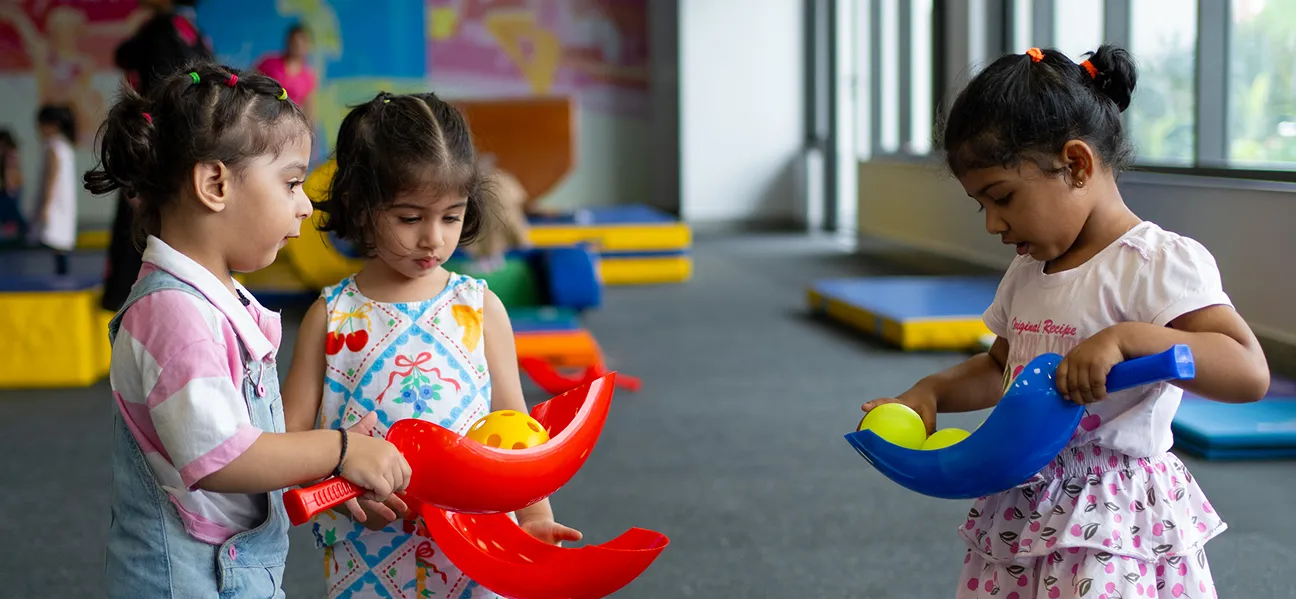
- Physical development: Moving and handling; self-care and health.
- Knowledge and understanding of the world: Encouraging in pupils a spirit of observation, inquiry and exploration of their environment.
Why Is Play-Based Learning Important in Early Years?
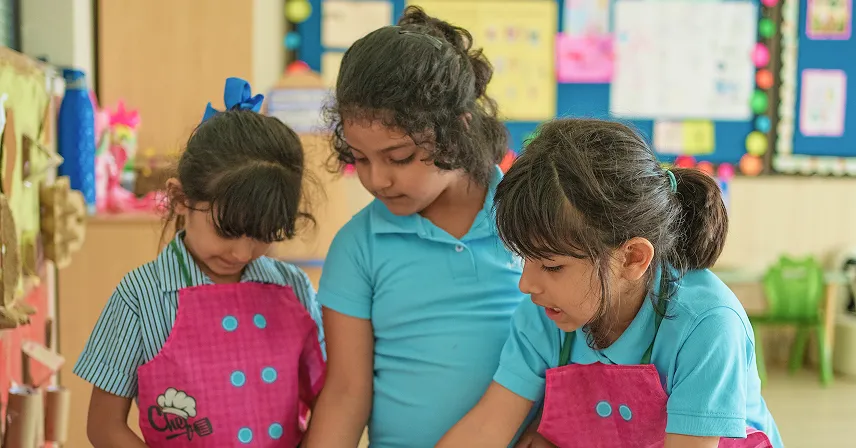
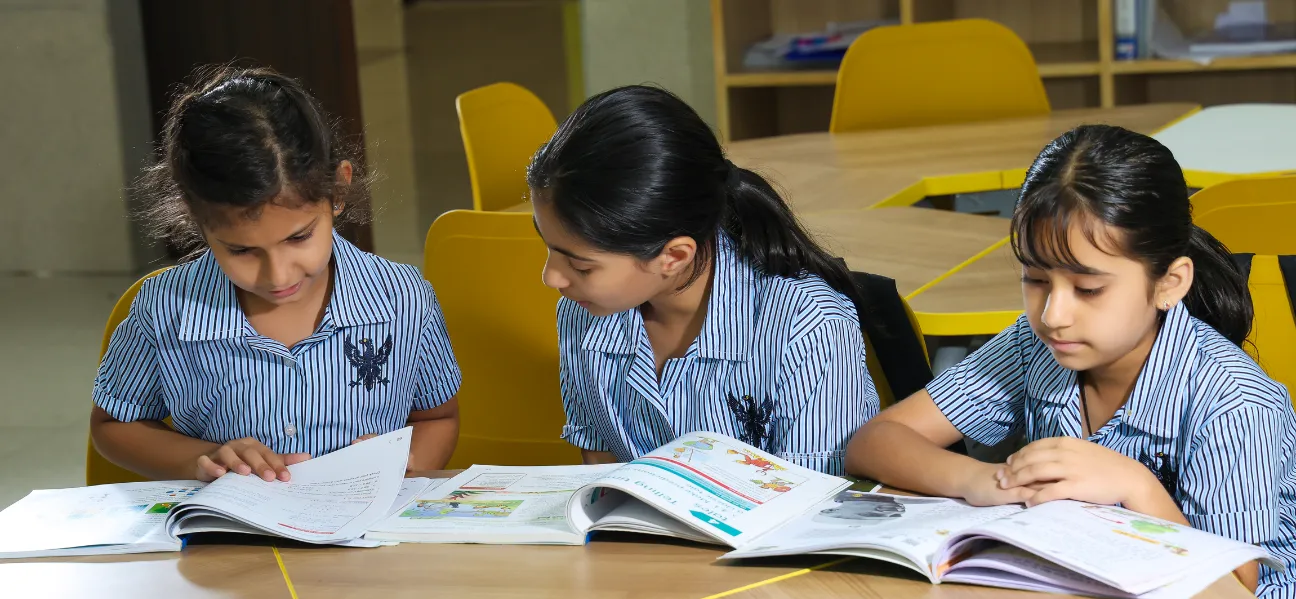
The importance of play-based learning in early childhood is represented by the way it aligns well with how young girls learn. Playing allows them to try things out, make choices and learn from their mistakes in a safe environment where they won’t be frightened of getting it wrong.
Play-based learning ideas helps them to:
- Develop communication skills by sharing ideas, stories and conversations.
- Improve problem-solving skills by attempting different methods for assignments.
- Make choices and share their thoughts to build confidence.
- Learn to cooperate, share and understand others to develop social skills.
- Build Emotional Awareness. Recognise and name their feelings.
For young learners, these experiences create strong foundations before they move towards more formal stages of education.
How Does Play Help Girls Develop Confidence and Independence?
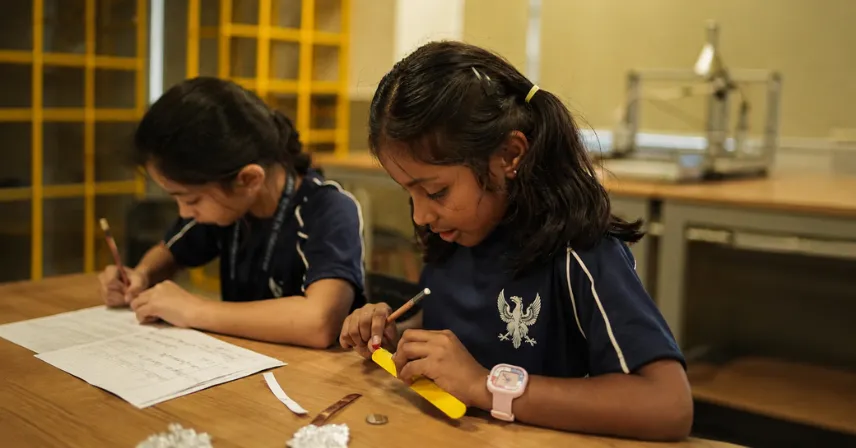
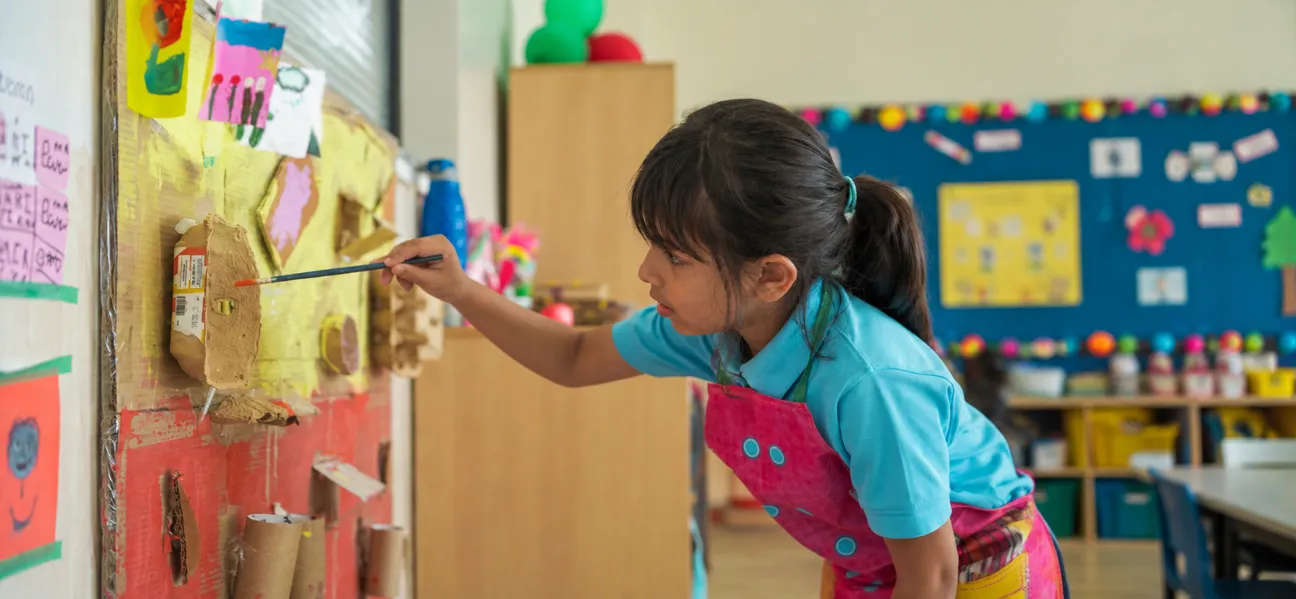
Play is the place where girls can try on different roles, express their ideas and learn about the world around them. Through play-based learning activities such as role-play, storytelling and creative projects, they can learn how to communicate and work together and build confidence.
This learning can be helped by teachers joining in the play, asking questions, encouraging pupils to explain their ideas and allowing pupils to lead.
Similarly, playing doctor, dressing up, or making up stories help girls try out different options and become more confident in their self-expression.
Everyday Activities Into Play-Based Learning Experiences
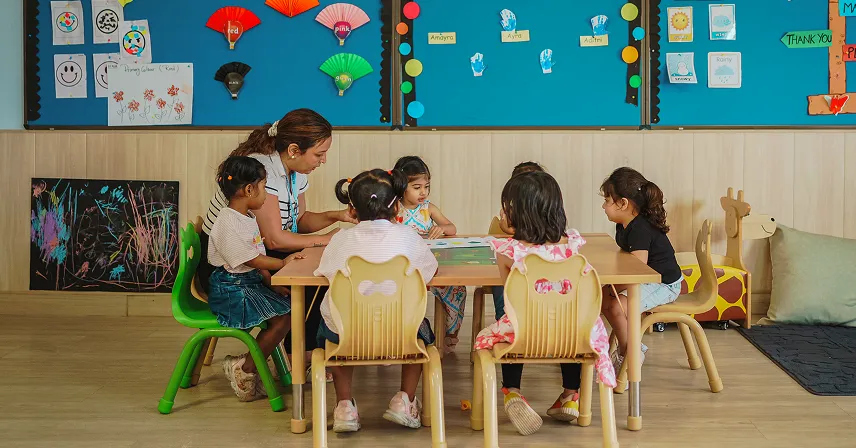
Some of the best ideas for play-based learning are found in everyday experiences. Pupils don’t always need complex resources to learn. Simple activities are capable of stimulating their curiosity and creative thought process.
Examples include:
| Activity | Skills Developed |
|---|---|
| Storytelling using props | Language, imagination and communication skills. |
| Drawing and creative art | Expression, creativity and fine motor skills. |
| Cooking activities | Sensory exploration, counting and problem-solving skills. |
| Sorting household objects | Early mathematical and reasoning skills. |
| Music and dance | Memory, confidence and physical coordination. |
| Exploration of nature | Observation, curiosity and awareness of the surroundings. |
How Do Teachers Support Learning Through Play?
Giving pupils time to play is not all that makes a good early years environment. Teachers are central to providing meaningful opportunities for development.
At Cambridge Early Years, staff use formative observation and assessment to understand how each pupil is developing. Teachers do not only assess them through formal tests but also observe them in their daily learning and use these observations to give the right help.
A teacher may notice a pupil’s interest in building with blocks and introduce questions about shapes, balance or planning. During storytelling, they may encourage them to describe characters or predict what happens next. These small interactions extend learning while keeping them engaged.
What Are the Challenges of Play-Based Learning?
Some parents may wonder whether play-based learning provides enough academic preparation. However, purposeful play is designed to develop the skills pupils need for future learning.
Common concerns include:
| Challenge | How Schools Address It |
|---|---|
| Play may appear less structured. | Teachers plan experiences with clear learning goals. |
| Progress may seem difficult to measure. | Continuous observation helps teachers track development. |
| Girls develop at different rates. | Individual support helps every girl progress confidently. |
The key is creating a balance where pupils have opportunities to explore while receiving the guidance they need.
Why Choose Bedford School Mohali for Early Years Education?
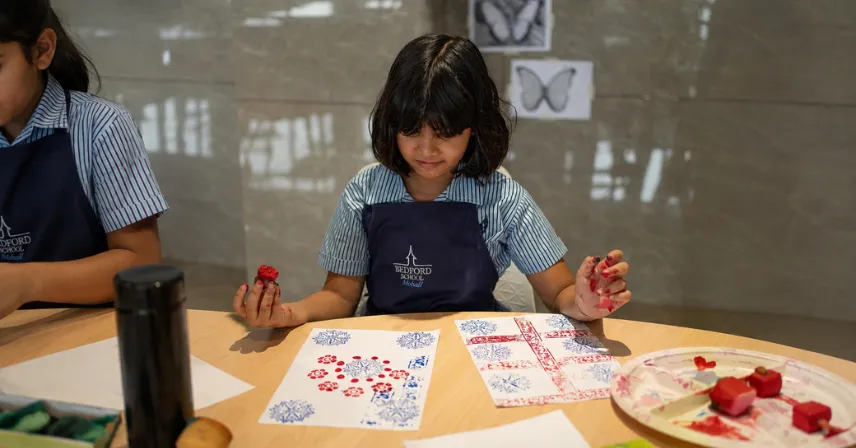
Bedford School Mohali’s early years education is built around the Cambridge Early Years philosophy of nurturing the whole person. Purposeful play, engaging resources and a supportive environment inspire girls to become confident learners from the beginning of their educational journey.
The right early years foundation is crucial for parents looking for the best prep school in India or the best boarding school for girls in India. A girl’s early experiences of learning can influence her curiosity, confidence and approach to education.
Through a child-focused approach, Bedford School Mohali helps girls build the skills, independence and self-belief they need for future success.
Final Takeaway
Play-based learning is not a replacement for education. It is about knowing that young pupils learn best when they are actively involved, curious and encouraged to explore.
Within the framework of the Cambridge Early Years, play becomes a meaningful route for the development of communication, creativity, confidence and lifelong learning habits. Aiming to become the best prep school in India, we implement these foundations to help our girls to step into their journey as capable, curious and confident learners.