10 Essential Factors to Consider Before Choosing a Boarding School for Girls
In between the joy of seeing her daughter gain independence in a boarding setting and the concern of ‘Will she be okay without me?’ lies one of the toughest decisions that any parent has to make.
At Bedford School Mohali, we come across something like this in almost every single conversation we have with parents, and that is exactly why we’ve put together this honest boarding school guide for parents who want to focus on what actually shapes their daughter’s future.
How To Choose a Boarding School for Girls
Never go into this decision blindly. Here are 10 things you should consider while making your choice.
1. Safety, Supervision and Safeguarding Measures
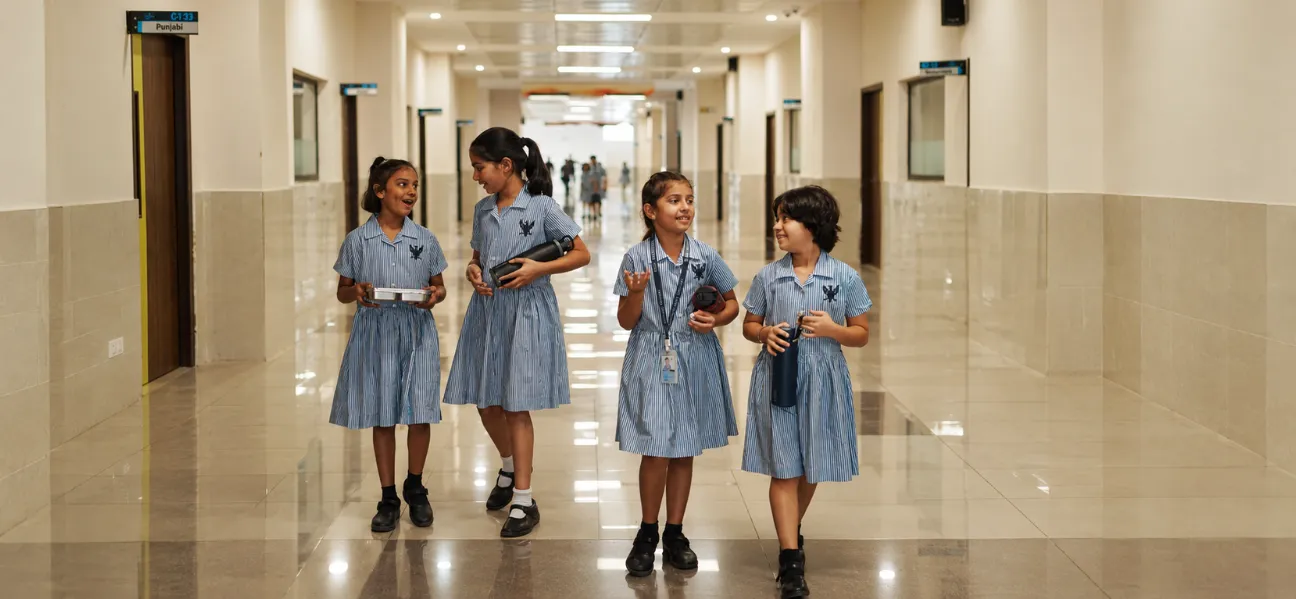
At the best girls’ boarding school in India, security should always be of paramount importance. Find out how secure the school is in terms of entry and exit points, how it conducts vetting of visitors, and who looks after the welfare of a pupil after lights out.
The best boarding schools for girls would ideally have house parents available round the clock, a CCTV-monitored campus and an established sign-out policy for all outings. Any adult collecting the child from the institution must be authorised in advance, the identity card must be checked at the entry points, and signing out must be mandatory so parents always know exactly where their daughter is.
2. Curriculum and Academic Pathway
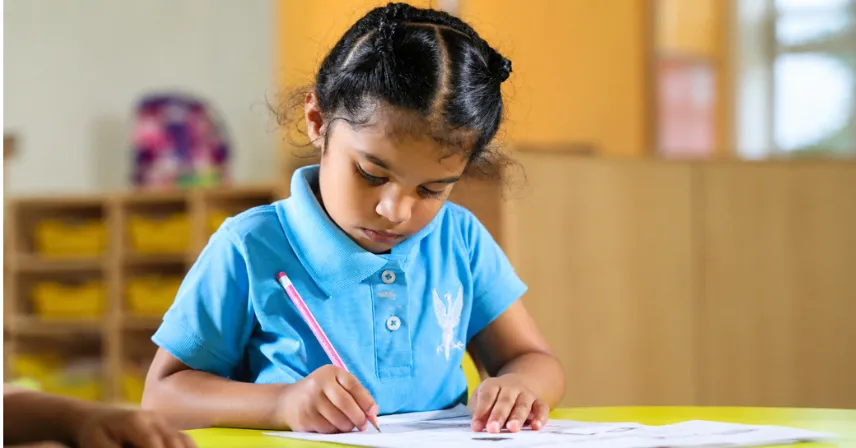
While British curricula such as Cambridge IGCSE are accepted widely abroad and offer flexible subject combinations, CBSE and ICSE remain a solid choice for families that are anchored to Indian competitive exams. The right curriculum will serve your daughter’s future, not this year’s admission trend.
The best boarding schools for girls in India are affiliated to globally recognised education boards and offer a combination of academic excellence and meaningful international exposure.
3. The Right Type of Boarding
All families don’t desire the same type of boarding experience, but a well-thought-out boarding school for girls should provide more than one choice:
- Full boarding school life means that a girl attends boarding school during the term and comes back home for vacations and designated holiday periods. It’s for families who want their daughter to be fully immersed in the campus routines and opportunities.
- In a flexi boarding school, a pupil stays at school during the week, while coming back home during alternating weekends. This is ideal for those parents who wish to have the advantages of boarding but without sacrificing the usual family time.
- Day boarding pupils enjoy all the facilities, including academics, co-curricular activities, and supervised meal times, but then return to their respective homes each evening.
At Bedford School Mohali, we offer families all three options to choose from, allowing them to find an arrangement that suits their daughter and family life.
4. Age of Entry and Early Years Support
Boarding is a big transition, so it is important to understand what age it actually starts.
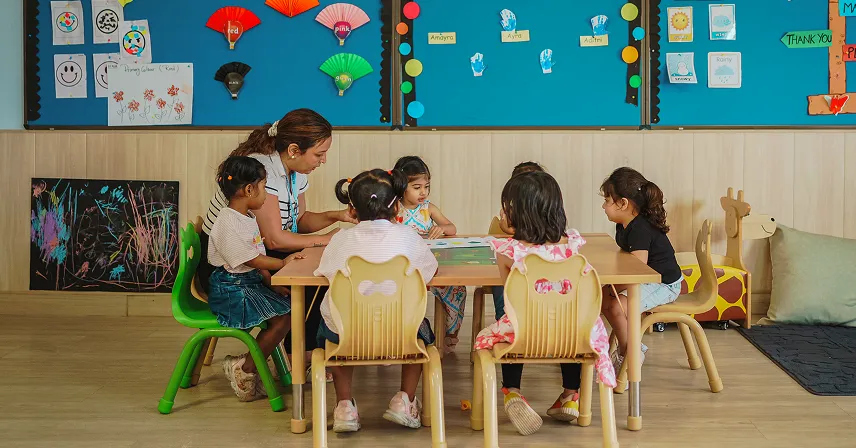
Most reputable schools offer day schooling from the pre-prep stage, sometimes from as early as two years old (boarding usually starts from around Year 3).
A well-structured pre-prep school foundation, with warm, age-appropriate routines, makes a huge difference in building the confidence that a girl then takes into boarding life.
5. Quality of Faculty and Pastoral Care
Qualified, well-trained teachers and committed house parents will be able to make the biggest impact on the girl’s day-to-day life. Seek institutions where one-on-one mentoring and professional confidential counselling is offered, and the school employs well-trained staff that can spot early any changes in the girl’s mood.
The best boarding schools organise their pastoral care around dedicated mentoring, counselling and safeguarding pathways, with the goal of having a responsible adult caring for each girl.
6. Campus Facilities and Extracurricular Breadth

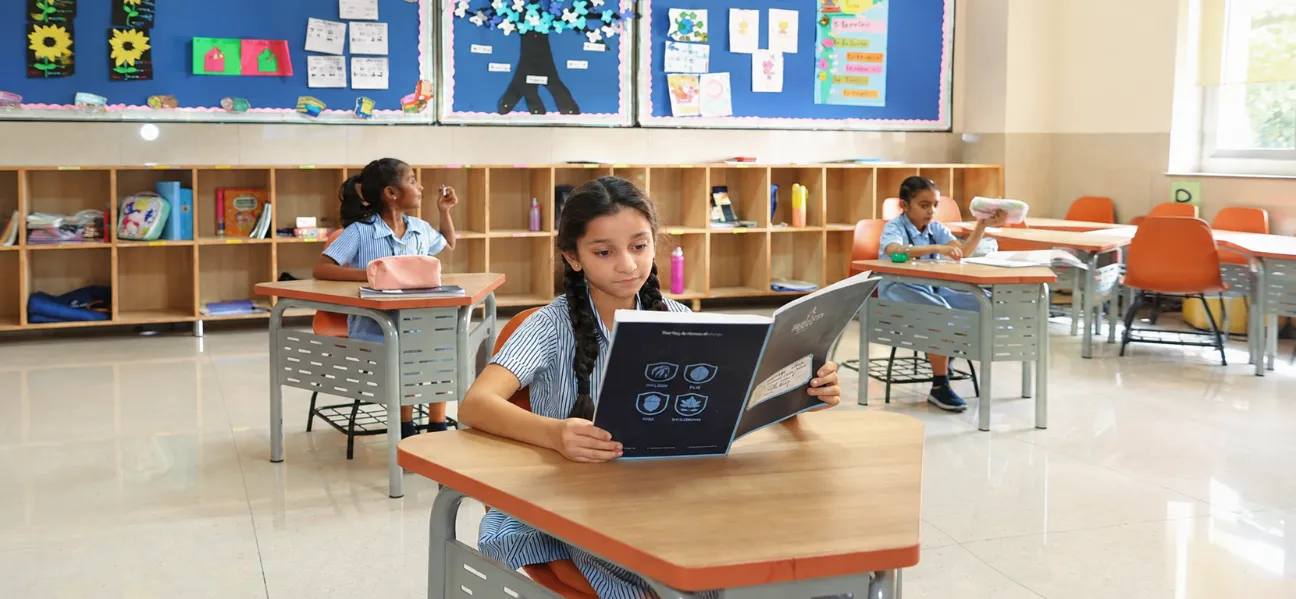
A campus should be more than just something to look good in pictures. Instead of shared, sparsely fitted dormitories, look for well-equipped sports facilities, studios for science and arts, libraries and comfortable, well-furnished boarding rooms. Extracurriculars are important, too, and a wide choice:
- Team sports such as hockey, basketball, netball and football that develop resilience and teamwork.
- Individual sports and activities such as swimming, athletics, tennis, and gymnastics for personal development.
- Creative opportunities through dance or drama, the visual arts and design, and debating clubs.
- Future-focused activities such as entrepreneurship that help develop practical skills along with academic learning.
This breadth enables girls to find areas of strength outside of the classroom and boost their self-confidence that lasts well past school years.
7. Food, Health and Daily Wellbeing
Enquire about the regularity of meals, whether any dietary needs can be accommodated and how medical emergencies are handled.
Nutritionist-planned menus, on-campus medical staff and clear illness protocols are non-negotiables, because those details impact a daughter’s health every single day she’s away from home.
8. All-Girls Environment and Values
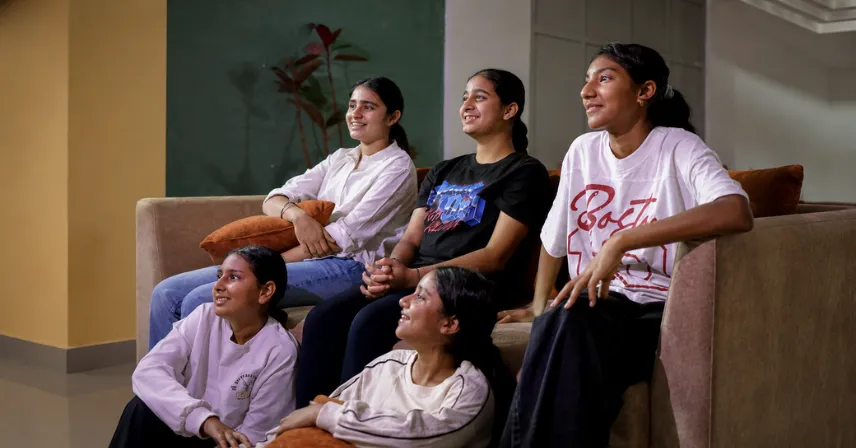
An all-girls setting allows pupils to lead every activity, take every leadership role, and build confidence without some of the social pressures that can arise in co-educational settings. Look for a school culture built on kindness, integrity, and responsibility, values that shape not just results but character.
9. Location and Accessibility
Having a boarding school for girls close enough in travelling distance really helps out in terms of having exeats (designated leave periods), family weekends and emergencies. You have to look at how close the airport and the railroads are, what the roads are like on weekends when people have to travel, and how easy it is for parents to get out to the campus.
Proximity to a well-connected city, alongside a calm, spacious campus away from urban congestion, gives families the best of both worlds: convenience for regular visits and a genuinely peaceful learning environment for everyday school life.
10. Parent Communication and Transparency
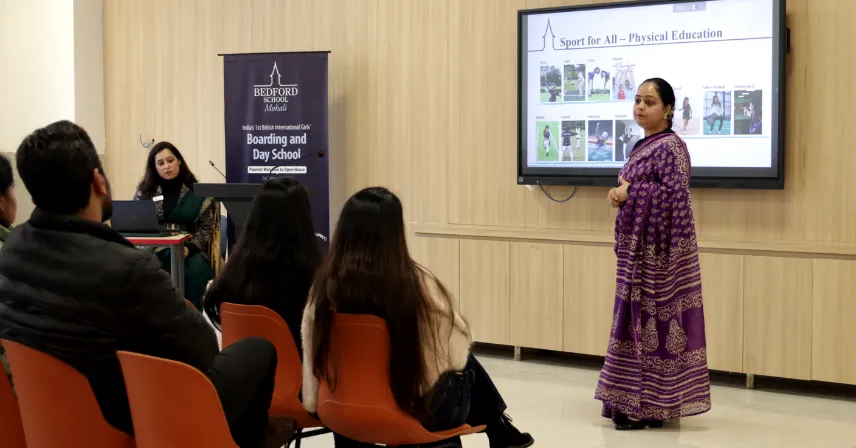
Determine the ways through which the school communicates with the parents. Academic reports, wellbeing reports, parent-teacher meetings and even a liaison office are indicators of schools that work in collaboration with the parents. This is usually what makes the difference between an average school and the best girls’ boarding school in India.
Making the Right Choice
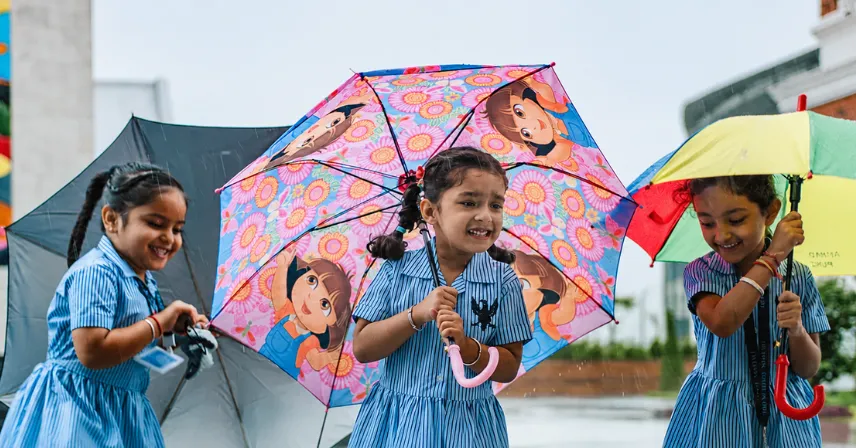
There’s no easy checklist that’s going to make this decision easy for you, and any school that says otherwise probably hasn’t sat across the table from a parent who’s nervous about handing over her daughter’s day-to-day care.
Comparing schools on specific criteria is helpful, not adjectives. That means considering how safety is implemented after lights out, who a girl can turn to on a hard night, if the curriculum supports what she wants to study, and where she wants to go to college, if the boarding structure fits your family’s rhythm rather than vice versa.
This is the same boarding school guide we ask our own admissions team to walk families through, because it reflects what actually happens day to day: house parents on call through the night, licensed counsellors a girl can approach directly, and a curriculum built on the Cambridge Pathway rather than assumptions about it.
Would you like to know more? Our admissions team will be happy to answer your questions. Contact us to enquire further.