Progressive Punjab Investors Summit 2026: Bedford School Mohali on Entrepreneurial Mindset
Before it finds expression in the professional world, entrepreneurship begins as a mindset which is shaped much earlier in life. This idea formed the core of Bedford School Mohali’s perspective at the Plenary Session: Academia & Research on 14 March at the Progressive Punjab Investors Summit 2026.
Our spokesperson for the summit was our founding principal, Ms Naomi Atkins, who was joined by distinguished leaders to discuss how schools can shape the talent and entrepreneurial mindset crucial for Punjab’s future.
Her presence brought an important dimension to the conversation that if knowledge is to become economic capital, then that journey must begin earlier, in schools, where young minds learn to think independently.
A Summit Focused on Punjab’s Next Phase of Growth
The Progressive Punjab Investors Summit 2026 was held from 13 to 15 March at Plaksha University in Mohali, where renowned policymakers, industry leaders, investors, and educators gathered to discuss how Punjab can strengthen its position as a hub for innovation, investment, and enterprise.
The summit started with Punjab Chief Minister Shri Bhagwant Mann as the opening speaker and Arvind Kejriwal as the chief guest.
The three-day event featured valuable discussions which focused on attracting investment, strengthening industries, and preparing Punjab for emerging sectors in technology, manufacturing, and sustainable development.
Yet alongside these conversations, another important theme began to emerge: the role of talent.
Punjab needs to nurture people who possess innovation skills, leadership abilities, and entrepreneurial mindsets if it wants to transform knowledge into economic value. Educational leaders, policy experts, and business executives at the summit shared their opinions on how Punjab should develop its future talent system according to this viewpoint.
The Summit Panel: A Shared Vision for Future Talent

Bedford School Mohali attended the Plenary Session: Academia & Research, themed “From Knowledge to Capital: Transforming Schools and Universities into Engines of Talent, Innovation and Entrepreneurship for a Future-Ready Punjab,” which featured a distinguished panel, listed below as per the session order:
- Mr. Debabrata Ghosh: Partner, KPMG
- Ms. Sonali Giri, IAS: Administrative Secretary, Higher Education & Languages
- Dr. Rudra Pratap: Vice-Chancellor, Plaksha University
- Mr. Pratham Mittal: Founder, Tetr College of Business & Masters’ Union; Judge, Shark Tank India Season 5
- Ms. Naomi Atkins: Founding Principal, Bedford School Mohali
- Mr. Harjot Singh Bains: Cabinet Minister, Higher Education & Languages / Technical Education
Find highlights of Ms Naomi’s insights next in the blog.
Building the Mindset Behind Entrepreneurship
Building on the panel’s discussion, Ms Naomi Atkins brought the focus to the fundamental stage of the entrepreneurial journey: the school years.
She emphasised that entrepreneurship means much more than engaging in negotiations or locking business deals. It’s more about teaching kids to develop independent thinking from a young age that helps them be curious and confident and take the lead in their lives.
Curiosity Comes Before Innovation
Innovation begins with curiosity. Before a student can create something new, they must first learn to ask questions. Like, why does something work this way? How could it be improved? Is there another way to solve the problem?
When schools allow space for this kind of questioning, they do more than support academic learning. They encourage students to observe the world closely and think about possibilities.
That sense of curiosity often becomes the starting point for entrepreneurial thinking.
Confidence Helps Ideas Take Shape
Curiosity alone, however, is not enough. One must also feel confident enough to express ideas.
Ms Naomi explained how Bedford School Mohali creates a nurturing environment for pupils to build their confidence through everyday school activities like speaking up in class, taking part in discussions, sharing ideas, and working together with classmates. These little but vital initiatives help them build up a habit which gradually augments their confidence level.
This confidence is built for life, enabling them to make meaningful contributions in many life situations that need initiative and leadership.
Independent Thinking Must Be Nurtured Early
Another important aspect of Ms Naomi’s vision is the value of independent thinking.
Entrepreneurial mindsets do not emerge from passive learning. They develop when students are encouraged to have independent thinking. They analyse situations, consider multiple viewpoints, and arrive at their own conclusions.
When schools nurture this kind of thinking, students begin to approach challenges with greater clarity and intention. They learn not simply to follow answers but to explore possibilities.
Resilience Grows Through Experience
Entrepreneurship also requires resilience. It’s a quality that is often built through experience rather than knowledge.
Students gain a great deal of experience from multiple opportunities to try, struggle, learn, and improve. Be it academic tasks, extracurriculars or project planning, students realise that not every attempt will succeed, and not every idea will work perfectly. Yet when they understand that setbacks are part of their holistic growth, they become more willing to try and explore new solutions.
Girls’ boarding schools encourage this strong mindset in young girls and help them become adaptable and open to taking on any challenge.
Schools Shape the Mindset for the Future
Ms Naomi further shared a powerful reminder that education at schools do far more than prepare students for academic examinations. They help shape the mindset with which young people approach the world.
When curiosity is encouraged, confidence is nurtured, and independent thinking is valued, students begin to see themselves as individuals capable of contributing ideas and creating change.
In that sense, the foundations of entrepreneurship are not built overnight. They are formed gradually through the everyday learning experiences that help students believe they can question, think, and create.
Bedford School Mohali: Empowering the Next Generation of Women Leaders
The ideas shared by Ms Naomi during the summit discussion closely reflect the educational philosophy we value at Bedford School Mohali.
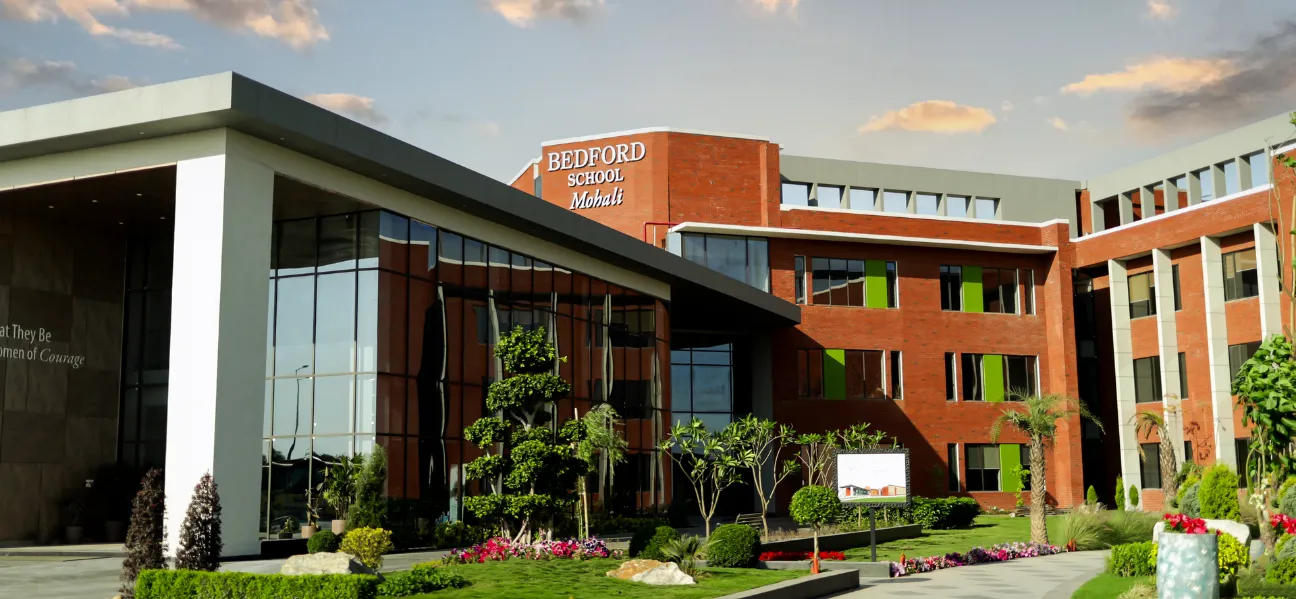
As India’s first British international girls’ boarding school and the first British-branded school in North India, our school draws inspiration from the 470+ year legacy of Bedford School in the United Kingdom. This tradition places equal importance on academic rigour, character development, and independent thinking, qualities that help young people grow into thoughtful leaders and innovators.
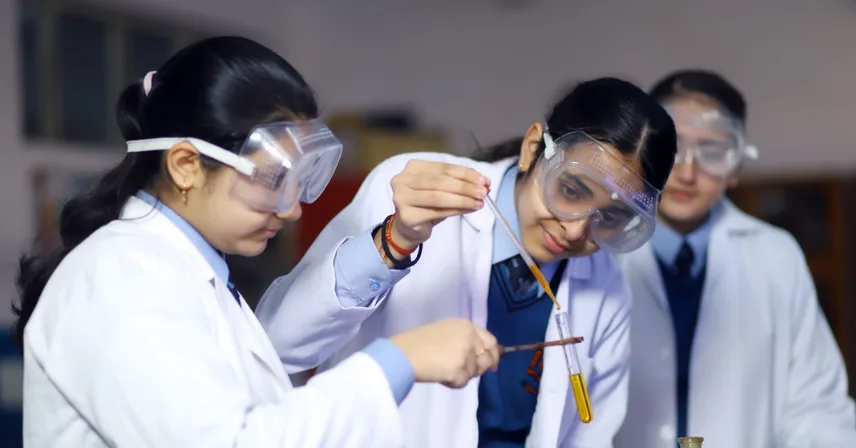
Our learning environment encourages students to become curious learners, confident communicators, independent thinkers, and globally aware individuals prepared to engage with an interconnected world.
As an all-girls’ boarding school, we place equal importance on nurturing self-belief and leadership in young women, so that from an early age they feel empowered to explore, take initiative, and develop the confidence not only to succeed in the future, but to help shape it.
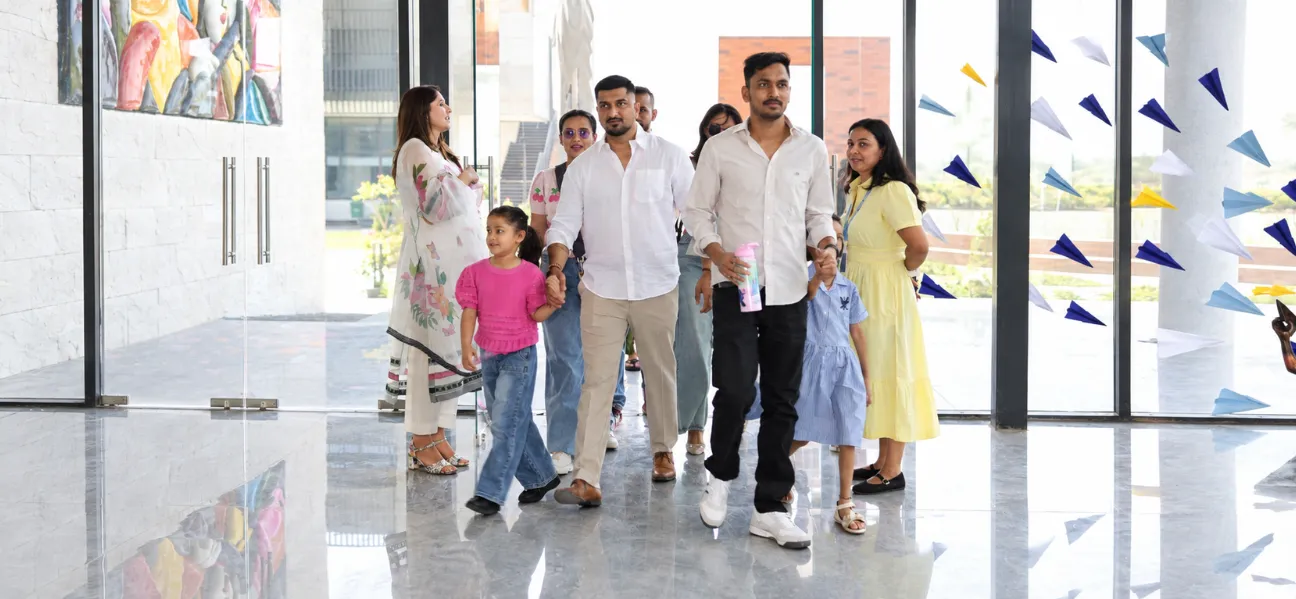
For families who value an education that builds confidence, curiosity, and character, a campus visit offers the best way to experience that vision up close.
Where Future Entrepreneurs Truly Begin
The Progressive Punjab Investors Summit 2026 concluded with the insight that economic progress is not shaped by policy and investment alone, but by the people who will carry that progress forward.
The qualities that support innovation and entrepreneurship are often formed much earlier than we tend to recognise. Education has such an important role to play in the wider story of this growth.
Through Ms Naomi Atkins’ participation in this conversation, the role of schools came into sharper focus. If Punjab hopes to build a future defined by enterprise, innovation, and opportunity, then the mindset behind that future must be nurtured from the beginning.